SGLT2 Inhibitors and Yeast Infections: What You Need to Know About Urinary Complications
 Dec, 30 2025
SGLT2 Inhibitor Risk Assessment Tool
Assess Your Risk Level
This tool helps you understand your personal risk of yeast infections and urinary complications while taking SGLT2 inhibitors. Based on the 5-point risk score mentioned in medical studies, you can determine your risk level and discuss options with your doctor.
When you’re managing type 2 diabetes, finding a medication that lowers blood sugar without causing dangerous lows or weight gain is a win. That’s why SGLT2 inhibitors became so popular. But for many people, the relief of better glucose control comes with an unexpected and uncomfortable side effect: yeast infections and serious urinary problems.
How SGLT2 Inhibitors Work - and Why They Cause Infections
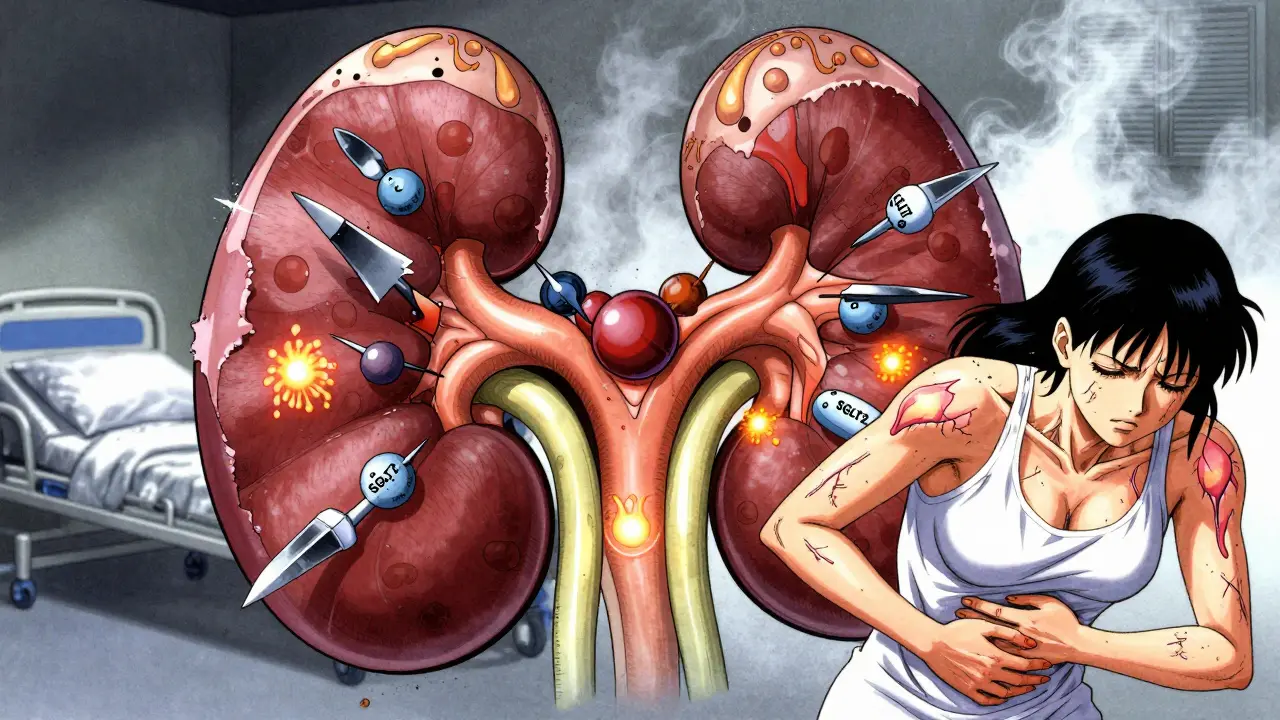
SGLT2 inhibitors like canagliflozin, dapagliflozin, empagliflozin, and ertugliflozin don’t work by boosting insulin or making cells more sensitive. Instead, they trick your kidneys into spilling sugar into your urine. Normally, your kidneys reabsorb glucose back into your bloodstream. These drugs block that process. The result? You pee out 40 to 110 grams of sugar every day. That sounds like a good thing - until you realize sugar in your urine is like setting out a buffet for bacteria and yeast. The warm, moist, sugary environment in your genital and urinary tract becomes a breeding ground for Candida albicans, the fungus behind most yeast infections. It’s not a coincidence - it’s biology.Who Gets Infected - and How Often
About 3% to 5% of people taking SGLT2 inhibitors develop genital yeast infections within the first few months. For women, that usually means vulvovaginal candidiasis - itching, burning, thick white discharge. For men, it’s balanitis: redness, swelling, and pain around the head of the penis. These aren’t rare. In clinical trials, the risk was 3 to 5 times higher than with other diabetes drugs like DPP-4 inhibitors or sulfonylureas. Urinary tract infections (UTIs) are also more common. A 2022 meta-analysis found people on SGLT2 inhibitors were nearly twice as likely to get a UTI compared to those on other diabetes meds. The absolute risk increase? Around 2% to 4%. That might sound small, but when you’re dealing with something that can turn dangerous fast, even a few percentage points matter.The Real Danger: When Infections Turn Serious
Most yeast infections are annoying, not life-threatening. But SGLT2 inhibitors can trigger complications you won’t find with other diabetes drugs. The FDA flagged 19 cases of urosepsis - a blood infection from a UTI - between 2013 and 2014. All 19 required hospitalization. Four patients ended up in intensive care. Two needed dialysis because their kidneys failed. The median time from starting the drug to infection? Just 45 days. Then there’s emphysematous pyelonephritis, a rare but deadly kidney infection where gas-forming bacteria destroy kidney tissue. One case report described a 64-year-old woman who developed it while on dapagliflozin. She needed surgery, weeks of IV antibiotics, and later had a recurrence after restarting the drug. She said, “I never had urinary problems before this medication.” Even rarer - but terrifying - is Fournier’s gangrene, a fast-spreading necrotizing infection of the genitals and perineum. The European Medicines Agency added a warning for it in 2016. It’s rare, but when it happens, it’s often fatal without immediate surgery.Who’s at Highest Risk?
Not everyone on SGLT2 inhibitors gets infected. But some people are far more vulnerable:- Women - due to shorter urethras and natural yeast presence
- People with prior UTIs or yeast infections
- Those with poor genital hygiene
- People with diabetes complications like nerve damage (neuropathy) that affects bladder emptying
- Individuals with kidney problems (eGFR below 60)
- Patients over 65
- Those with HbA1c above 8.5% - higher sugar in urine = higher risk
What Doctors Should Do - and What You Should Ask
The American Diabetes Association says: check your history before prescribing. If you’ve had recurrent UTIs or yeast infections, don’t start an SGLT2 inhibitor without a plan. Your doctor should:- Ask about past infections before writing the prescription
- Explain the signs of infection - not just itching, but fever, pain, swelling, or feeling unwell
- Warn you that delaying treatment can lead to kidney damage or sepsis
- Drink plenty of water - dilutes sugar in urine
- Wipe front to back after using the bathroom
- Change out of wet clothes or swimsuits quickly
- Keep the genital area clean and dry
- Call your doctor immediately if you notice redness, swelling, fever, or pain
Alternatives When Infection Risk Is Too High
If you’ve had one yeast infection on an SGLT2 inhibitor, you’re at higher risk for another. Many patients stop the drug because of side effects - nearly 24% in one Swedish study. Better options for high-risk patients include:- GLP-1 receptor agonists (like semaglutide or liraglutide) - lower blood sugar, help with weight, no infection risk
- DPP-4 inhibitors (like sitagliptin) - neutral on infection risk, easy to use
- Metformin - still first-line for most, low infection risk
Can You Prevent Infections While Taking SGLT2 Inhibitors?
Yes - but not perfectly. Some studies suggest cranberry supplements might reduce UTI risk by nearly 30%. The FDA noted this in a 2023 safety update, but it’s still off-label. No one’s officially approved it for this use. Probiotics? Evidence is mixed. Some small studies show vaginal probiotics may help women, but nothing’s conclusive. The best prevention? Stay hydrated, monitor symptoms, and don’t ignore early signs. If you get a yeast infection, treat it fast - but don’t assume it’s just a “normal side effect.”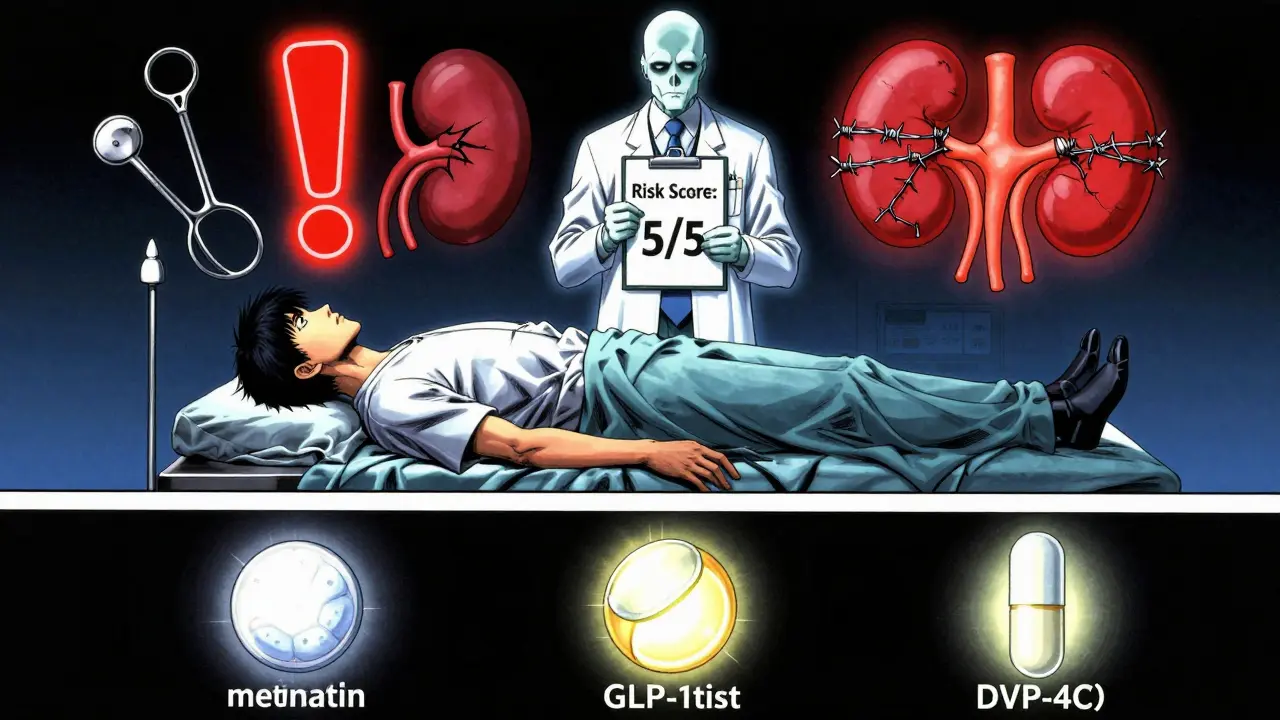
The Bigger Picture: Benefits vs. Risks
SGLT2 inhibitors aren’t just sugar pills. They’ve been shown to reduce heart attacks, strokes, and heart failure hospitalizations. In the EMPA-REG trial, empagliflozin cut cardiovascular death by 38%. Canagliflozin lowered heart failure risk by 39%. For someone with heart disease or chronic kidney disease, the benefits often outweigh the risks. But for someone with a history of UTIs, no heart problems, and no kidney disease? The math changes. The American Association of Clinical Endocrinologists now recommends SGLT2 inhibitors as second-line therapy - after metformin - only for patients with heart or kidney disease. For others, they’re third-line or worse.What to Do If You’re Already on One
If you’re taking one of these drugs and haven’t had problems yet, don’t panic. But do this:- Know the warning signs: itching, burning, fever, flank pain, foul-smelling urine
- Don’t wait for symptoms to get worse - call your doctor the same day
- Keep a record of any infections - frequency matters
- Ask your doctor if your risk profile has changed
Final Thought: It’s Not About Avoiding Medication - It’s About Smart Use
SGLT2 inhibitors are powerful tools. But like any tool, they’re dangerous in the wrong hands - or the wrong body. They work best for people who need heart and kidney protection and have no history of urinary problems. For others, the risks are real, and the consequences can be severe. If you’re on one of these drugs and you’re not sure why, ask your doctor: “Is this still the right choice for me?” Your answer might save you from a hospital stay - or worse.Can SGLT2 inhibitors cause yeast infections in men?
Yes. While vulvovaginal yeast infections are more common in women, men can develop balanitis - inflammation of the head of the penis - while taking SGLT2 inhibitors. Symptoms include redness, swelling, itching, and discomfort during urination or sex. The risk is about 3 to 5 times higher than with other diabetes drugs. Good hygiene and prompt treatment are key.
How soon after starting an SGLT2 inhibitor do infections usually occur?
Most genital infections appear within the first 3 months of starting the drug. Urinary tract infections and more serious complications like urosepsis typically occur within 45 days on average, though cases have been reported as early as 2 days after starting. The risk is highest in the first 6 months.
Should I stop taking my SGLT2 inhibitor if I get a yeast infection?
Not necessarily. Treat the infection with antifungal medication - topical or oral - as directed. But if you get recurrent infections (two or more in 6 months), talk to your doctor about switching to a different diabetes medication. Continuing the drug after repeated infections increases your risk of serious complications like kidney infection or sepsis.
Do cranberry pills really help prevent UTIs with SGLT2 inhibitors?
Some evidence suggests they may help. A 2023 FDA safety update noted a 29% reduction in UTIs among SGLT2 inhibitor users taking cranberry supplements. But this isn’t an approved use, and results vary. It’s not a substitute for good hygiene or medical care - but it might be a low-risk addition if you’re prone to infections.
Are SGLT2 inhibitors still safe to use?
Yes - but only if used correctly. For patients with heart failure, chronic kidney disease, or high cardiovascular risk, the benefits outweigh the risks. For those with recurrent UTIs, poor hygiene, or other risk factors, the risks may be too high. The key is personalized care: matching the drug to the patient, not the other way around.
Hayley Ash
December 31, 2025 AT 07:39kelly tracy
January 2, 2026 AT 01:53Joseph Corry
January 3, 2026 AT 10:14Colin L
January 5, 2026 AT 07:12srishti Jain
January 6, 2026 AT 23:24Cheyenne Sims
January 7, 2026 AT 00:31Shae Chapman
January 7, 2026 AT 12:46Nadia Spira
January 8, 2026 AT 06:46henry mateo
January 9, 2026 AT 03:19Kunal Karakoti
January 9, 2026 AT 17:51