Glomerulonephritis Explained: How the Immune System Attacks Kidney Filters
 May, 24 2026
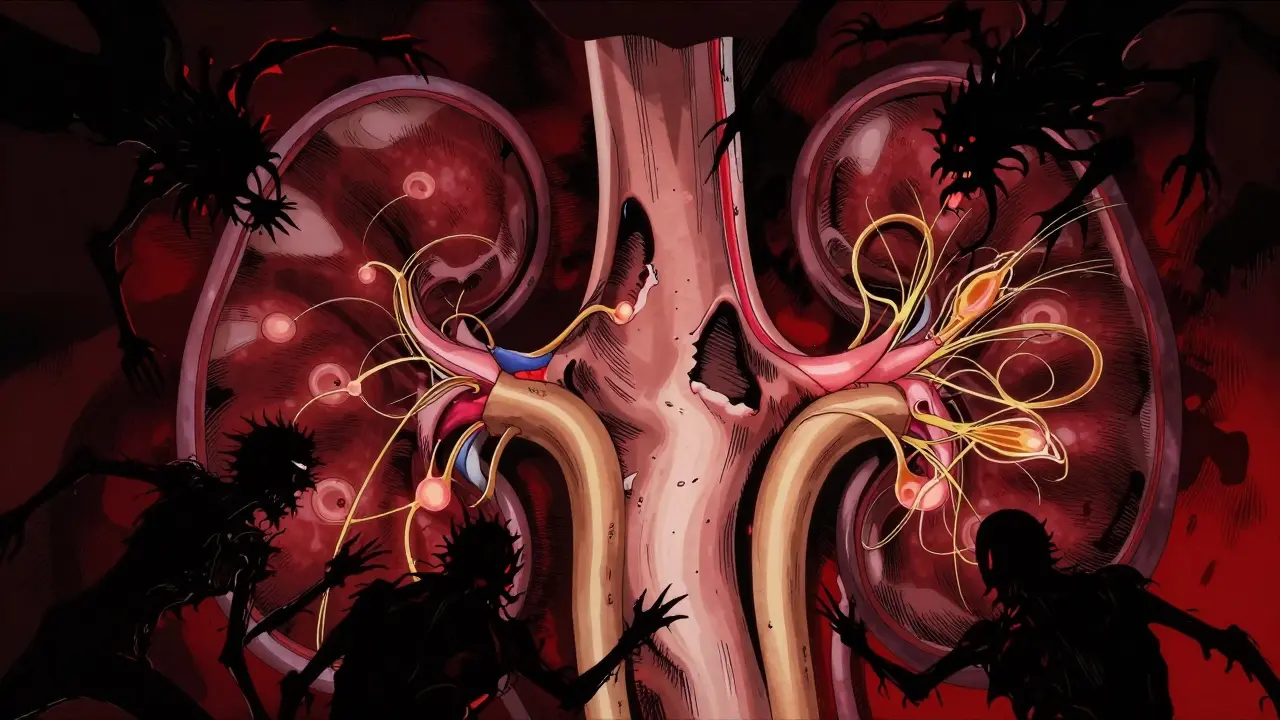
Your kidneys are hard workers. Every day, they filter about 150 quarts of blood to produce 1 to 2 quarts of urine, removing waste and extra fluid. But what happens when your body’s own defense system turns against these filters? That is exactly what occurs in Glomerulonephritis, a condition where immune cells attack the glomeruli-the tiny filtering units inside your kidneys. This isn't just one disease; it's a group of disorders that share a common mechanism: inflammation damaging the delicate structures responsible for keeping your blood clean.
If you have been told you have high blood pressure, swelling in your legs, or strange changes in your urine color, this might be why. Understanding how this 'immune attack' works can help you navigate diagnosis, treatment options, and long-term management with confidence.
The Anatomy of the Attack: What Are Glomeruli?
To understand the damage, you first need to know what gets damaged. Inside each kidney are roughly one million microscopic filters called glomeruli. Think of them as coffee filters. They let liquid and small waste particles pass through while holding back larger components like blood cells and proteins.
Each glomerulus has three critical layers that act as barriers:
- Endothelial cells: The inner lining facing the blood flow.
- Glomerular Basement Membrane (GBM): The middle mesh-like layer that acts as the primary sieve.
- Podocytes: Specialized outer cells with foot-like projections that wrap around the GBM.
In a healthy kidney, these layers work together seamlessly. In glomerulonephritis, the immune system sends inflammatory cells and antibodies to these sites. This causes swelling and scarring. When podocytes get injured, they lose their ability to hold back proteins. As a result, protein leaks into your urine-a condition known as proteinuria. You might notice foamy urine, which is often the first visible sign that something is wrong with your filtration barrier.
Types of Glomerulonephritis: It Is Not One-Size-Fits-All
Doctors classify glomerulonephritis based on how quickly it develops and what triggers the immune response. Knowing your specific type matters because treatments vary significantly.
Acute vs. Chronic: Acute GN comes on suddenly, often after an infection. For example, post-streptococcal GN follows a strep throat or skin infection. Most children recover fully within weeks. Chronic GN progresses slowly over years, often silently, until significant kidney damage has occurred.
Primary vs. Secondary: Primary GN starts in the kidneys themselves. IgA nephropathy is the most common primary type worldwide. Secondary GN is caused by another systemic disease. Lupus nephritis, for instance, affects up to 60% of people with systemic lupus erythematosus (SLE). Diabetes and hypertension can also contribute to secondary glomerular damage.
| Type | Key Characteristic | Typical Patient Profile |
|---|---|---|
| IgA Nephropathy | IgA antibody deposits in glomeruli | Young adults; often follows respiratory infections |
| Lupus Nephritis | Autoimmune attack from SLE | Women of childbearing age with lupus |
| C3 Glomerulonephritis | Complement system overactivation | Children and young adults; rare genetic factors |
| Post-Streptococcal GN | Falls after strep infection | Children; usually resolves completely |
Symptoms to Watch For: Beyond Foamy Urine
Glomerulonephritis can be tricky because early stages may show no symptoms at all. Many people discover they have it during routine blood or urine tests. However, when symptoms do appear, they generally fall into two categories: nephritic syndrome and nephrotic syndrome.
Nephritic Syndrome typically presents with:
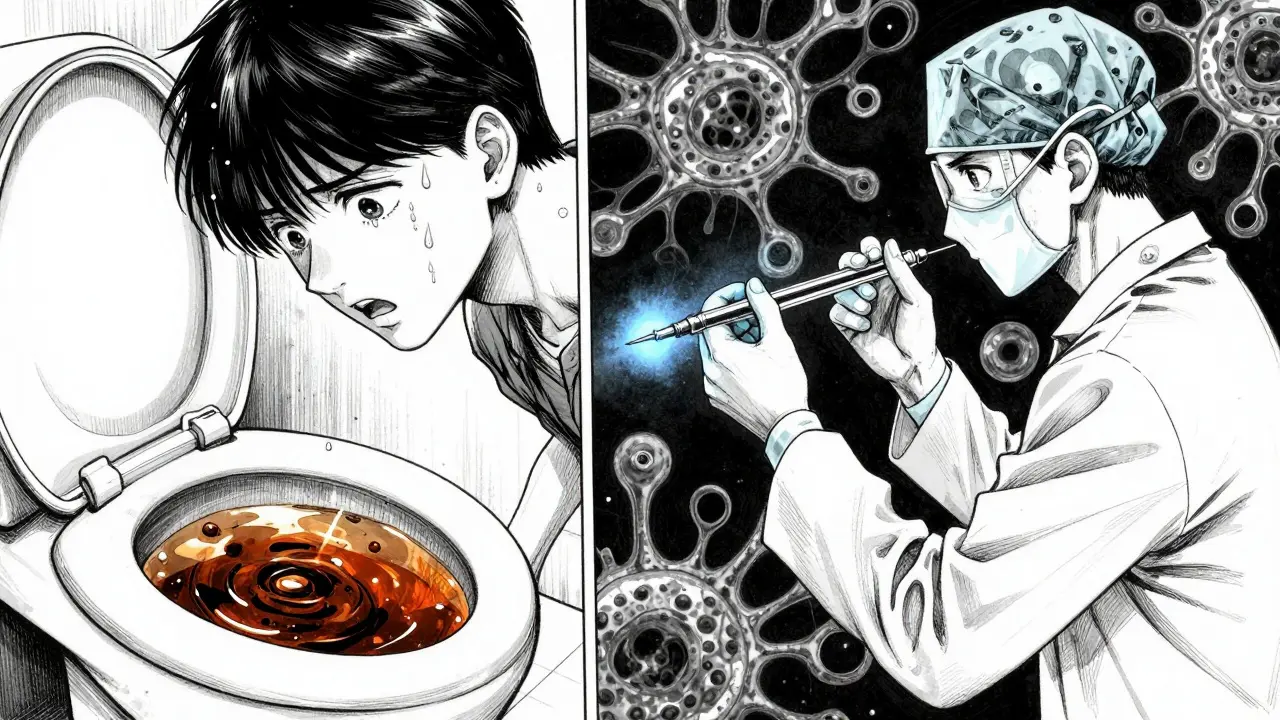
- Hematuria: Blood in the urine, turning it pink, red, or cola-colored.
- Hypertension: High blood pressure due to fluid retention.
- Oliguria: Reduced urine output.
- Mild Edema: Swelling around the eyes or face, especially in the morning.
Nephrotic Syndrome is more severe and involves massive protein loss:
- Heavy Proteinuria: Losing more than 3.5 grams of protein per day.
- Severe Edema: Significant swelling in legs, ankles, feet, and abdomen.
- Hypoalbuminemia: Low levels of albumin (a key protein) in the blood.
- Hyperlipidemia: High cholesterol levels as the liver tries to compensate for lost proteins.
If you experience sudden swelling, dark urine, or persistent fatigue, don't ignore it. These are your body's signals that the filtration system is under stress.
Diagnosis: Why a Biopsy Is Often Necessary
You cannot diagnose glomerulonephritis with urine tests alone. While urinalysis can detect protein and blood, and blood tests can measure kidney function via creatinine and eGFR (estimated glomerular filtration rate), these only tell you that damage exists, not why.
To determine the exact type of GN, doctors usually recommend a kidney biopsy. This procedure involves using a needle to take a tiny sample of kidney tissue. It sounds scary, but it is standard practice and highly effective. Pathologists examine the tissue under light, fluorescence, and electron microscopes to look for specific patterns of immune deposits and cellular damage.
Why go through this? Because treatment depends entirely on the subtype. Treating IgA nephropathy differently from C3 glomerulonephritis yields vastly different outcomes. A biopsy provides the roadmap for personalized therapy. Complications from biopsies are rare (3-5%), mostly involving minor bleeding, but the diagnostic value far outweighs the risk.

Treatment Options: Calming the Immune Fire
The goal of treating glomerulonephritis is twofold: stop the immune attack and preserve remaining kidney function. There is no single cure, so management is tailored to the individual.
Immunosuppressive Drugs: Corticosteroids like prednisone are often the first line of defense. They reduce inflammation quickly but come with side effects like weight gain, mood swings, and increased infection risk. Other drugs, such as cyclophosphamide or mycophenolate mofetil, may be added for severe cases.
Targeted Therapies: Newer medications are changing the landscape. For C3 glomerulonephritis, complement inhibitors like eculizumab block the specific part of the immune system causing damage. While expensive, these targeted approaches can spare patients from broad immunosuppression.
Blood Pressure Control: Medications called ACE inhibitors or ARBs are crucial. They lower blood pressure and specifically reduce protein leakage in the urine, protecting the kidneys from further strain.
Lifestyle Adjustments: Reducing salt intake helps manage swelling and blood pressure. Limiting protein consumption may ease the workload on damaged filters. Quitting smoking is essential, as tobacco accelerates kidney decline.
Living With Glomerulonephritis: Long-Term Outlook
A diagnosis of glomerulonephritis can feel overwhelming, but many people live full, active lives with proper management. The prognosis varies widely. Some forms, like post-streptococcal GN, resolve completely. Others, like membranous nephropathy, may require years of monitoring.
Regular follow-ups are non-negotiable. You will need frequent blood and urine tests to monitor kidney function and medication side effects. If kidney function declines significantly, you may eventually need dialysis or a kidney transplant. However, early intervention dramatically improves the chances of avoiding end-stage renal disease (ESRD).
Emotional health matters too. Joining support groups can connect you with others who understand the daily challenges of managing chronic kidney issues. Knowledge is power-understanding your condition empowers you to make informed decisions with your healthcare team.
Is glomerulonephritis contagious?
No, glomerulonephritis itself is not contagious. However, some types are triggered by infections, such as strep throat or hepatitis B/C. You cannot catch the kidney disease from someone else, but you should practice good hygiene to prevent the underlying infections that might trigger it.
Can glomerulonephritis be cured?
It depends on the type. Acute forms like post-streptococcal GN often resolve completely with supportive care. Chronic forms are generally managed rather than cured. The goal is to slow progression and maintain kidney function for as long as possible. Early treatment significantly improves long-term outcomes.
What foods should I avoid with glomerulonephritis?
Focus on limiting sodium to control blood pressure and swelling. Avoid processed foods, canned soups, and salty snacks. Depending on your kidney function, you may also need to limit potassium, phosphorus, and protein. Consult a renal dietitian for a personalized meal plan.
How does diabetes affect glomerulonephritis?
Diabetes is a leading cause of kidney damage, but it typically causes diabetic nephropathy, which is distinct from immune-mediated glomerulonephritis. However, having both conditions complicates management. Tight blood sugar control is vital to prevent additional stress on already inflamed glomeruli.
When is a kidney transplant necessary?
A transplant is considered when glomerulonephritis progresses to end-stage renal disease (ESRD), meaning the kidneys have lost most of their function. Transplantation offers the best quality of life for ESRD patients, but recurrence of GN in the new kidney is possible, depending on the subtype.
Ramanath Rao
May 26, 2026 AT 18:41Why do Western doctors always push biopsies so aggressively? In my experience, many cases of IgA nephropathy are managed with conservative monitoring first unless there is rapid decline in eGFR. This article makes it sound like a biopsy is mandatory for everyone which creates unnecessary anxiety for patients who might just need lifestyle changes and ACE inhibitors.
Jonhnnie john13
May 27, 2026 AT 04:33biopsy is standard because you cannot treat what you do not see under a microscope. assuming all igA is mild is dangerous. some forms progress rapidly to ESRD without intervention. your anecdotal experience does not override clinical guidelines established by KDIGO.
Gary Helminiak
May 28, 2026 AT 16:32I completely agree with Jonhnnie here! As someone who has spent years studying renal pathology, I can tell you that the histological classification is absolutely critical for determining the prognosis and treatment plan. 🧬 It is fascinating how the complement system can go haywire in C3 glomerulonephritis, leading to such distinct patterns of injury on electron microscopy. The use of eculizumab has been a game-changer for those specific cases, although the cost is indeed prohibitive for many healthcare systems. 😷 We must remember that every kidney is unique, and a one-size-fits-all approach simply does not work in nephrology. The inflammation process involves complex interactions between podocytes and the basement membrane that we are only beginning to fully understand. 📚 It is crucial for patients to trust their nephrologists when they recommend these diagnostic procedures. Early detection really is the key to preserving long-term kidney function. 💪
irine sabrina
May 29, 2026 AT 06:17I find this discussion incredibly insightful and heartening. It is wonderful to see such knowledgeable individuals sharing their perspectives on such a complex medical topic. My mother was diagnosed with lupus nephritis five years ago, and navigating the initial diagnosis was terrifying for our entire family. We were relieved to learn that while it is a serious condition, it is manageable with the right care team and medication regimen. The support from her rheumatologist and nephrologist has been invaluable. I hope anyone reading this who feels overwhelmed knows that they are not alone in this journey. There is hope, and there are communities ready to offer guidance and empathy. ❤️
Victoria Mangiapane
May 29, 2026 AT 19:06Ugh, another medical article making everything sound like a catastrophic immune war. Most people with 'glomerulonephritis' just have high blood pressure and eat too much salt. Stop scaring people with words like 'attack' and 'damage'. It's just kidneys being sensitive. Also, who wants to read about podocytes? Boring.
Michael Schurmann
May 30, 2026 AT 20:11Your dismissal of the pathophysiology reveals a profound ignorance of renal medicine. Glomerulonephritis is not merely 'sensitive kidneys'; it is a specific inflammatory disorder of the glomeruli that can lead to irreversible fibrosis if left untreated. To equate hypertensive nephrosclerosis with immune-mediated GN is intellectually lazy and medically inaccurate. The structural integrity of the glomerular basement membrane is compromised by immune complex deposition, not dietary indiscretion alone. Perhaps educate yourself before offering such reductive commentary.
Victoria Mangiapane
June 1, 2026 AT 19:45Oh look, a pretentious know-it-all. Relax buddy. I'm just saying most people don't need to panic. You're acting like everyone is dying. Chill out.
dane thorp
June 2, 2026 AT 17:42Please refrain from personal attacks. This thread is intended for informational exchange regarding glomerulonephritis. Dismissing medical advice based on tone rather than content is counterproductive to public health literacy. Let us maintain respect for those seeking genuine understanding of their conditions.
Joseph Teichman
June 4, 2026 AT 03:22hey guys just wanted to say stay strong. i know its hard dealing with kidney issues. keep ur bp down and drink water. dont smoke. thats basically it. good luck to everyone here.
Cyburg Adeoye
June 4, 2026 AT 12:57This is a very important conversation!; We must acknowledge the psychosocial burden of chronic kidney disease!!; The terminology used here is precise; however, we should emphasize the role of patient advocacy!!!; Many individuals face disparities in access to specialized nephrology care!!!; It is crucial that we support holistic management strategies!!!; Including nutritional counseling and mental health resources!!!; The medical community must work towards equitable outcomes for all patients!!!; Let us continue to share knowledge and uplift each other!!!
Angela Niculescu
June 5, 2026 AT 17:46I disagree with the emphasis on biopsies as the gold standard. Many recent studies suggest that non-invasive biomarkers could eventually replace tissue sampling for certain subtypes. Relying solely on historical methods ignores the rapid advancements in proteomics and genomics. We are putting patients through unnecessary invasive procedures when technology offers safer alternatives. The medical establishment is slow to adapt to these changes due to inertia and profit motives.